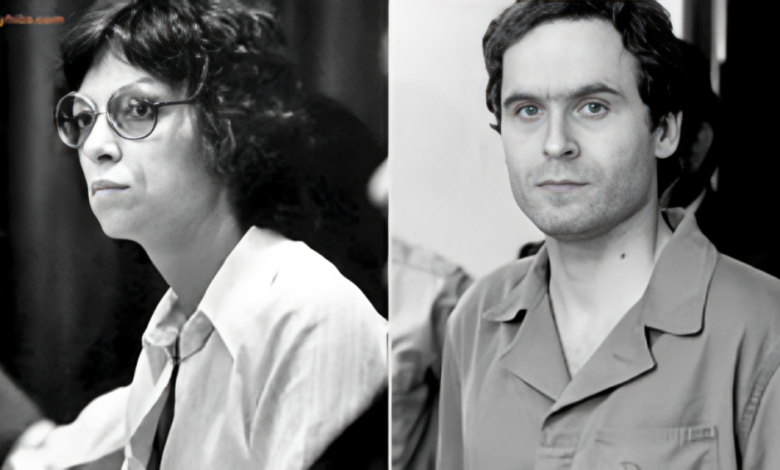
Introduction
The story of Carole Ann Boone remains one of the most intriguing chapters in the history of true crime. While millions of people know the name Ted Bundy because of his horrific crimes, far fewer understand the life of the woman who married him during one of the most publicized murder trials in American history. Her decision to stand by Bundy shocked the public and continues to raise questions decades later.
Unlike Bundy, Carole Ann Boone did not seek fame or media attention. She lived a relatively private life before becoming connected to one of America’s most notorious serial killers. Even after their relationship became national news, she avoided interviews and eventually disappeared from public view. This mystery has only increased public interest in her life.
Many documentaries, books, and television series have mentioned Boone, but much of the information available online is either incomplete or speculative. Understanding her life requires separating verified facts from rumors and sensational stories. Looking at her background, personality, and relationship with Bundy offers valuable insight into one of history’s most unusual relationships.
This article explores Boone’s early life, her relationship with Ted Bundy, their controversial marriage, family life, public reactions, and what is known about her later years. Rather than focusing on sensationalism, the goal is to present an accurate and balanced overview based on available historical information.
Who Was Carole Ann Boone?
Early Life and Background
Carole Ann Boone was born in the United States and spent most of her early years living an ordinary life away from public attention. Unlike many people connected to famous criminal cases, there is limited verified information regarding her childhood, education, and family background. She preferred privacy throughout her life, making reliable details relatively scarce.
Before meeting Ted Bundy, Boone worked as an administrative professional. Colleagues generally described her as intelligent, independent, and hardworking. She maintained a stable career and appeared to live a typical middle-class lifestyle.
Boone was also known for being a devoted mother before her relationship with Bundy became public. Friends reportedly viewed her as caring and compassionate, qualities that later influenced her decisions during Bundy’s legal battles. Her loyalty would become one of the defining aspects of her public image.
Although her personal history remains largely private, Boone’s life changed dramatically after meeting Bundy. What began as a workplace friendship eventually developed into one of the most controversial romantic relationships in American criminal history.
Career Before Meeting Ted Bundy
Before Bundy’s arrest attracted worldwide attention, Boone worked for the Washington State Department of Emergency Services. The office employed several individuals who later recalled Bundy’s friendly personality before his crimes became publicly known.
At work, Boone earned a reputation as a dependable employee who maintained positive relationships with coworkers. There was little indication that her life would later become linked with one of the most infamous criminal cases of the twentieth century.
During this period, Bundy himself was viewed by many colleagues as charismatic, intelligent, and ambitious. Like others around him, Boone initially saw him as an educated and personable coworker rather than someone capable of violent crimes.
This ordinary workplace environment eventually became the setting where their friendship began. Neither Boone nor those around her could have predicted how dramatically events would unfold in the coming years.
How Carole Ann Boone Met Ted Bundy
A Workplace Friendship
Boone first met Ted Bundy while both worked for the Washington State Department of Emergency Services during the 1970s. Their professional interactions gradually developed into a friendship based on shared conversations and mutual respect.
At that time, Bundy had not yet become nationally recognized as a serial killer. Although he had already committed several crimes, many coworkers remained unaware of the ongoing investigations connecting him to missing women across multiple states.
Boone reportedly admired Bundy’s intelligence and confidence. Like many people who knew him before his arrest, she believed he possessed strong communication skills and a charming personality. These characteristics allowed Bundy to gain the trust of many individuals throughout his life.
Their friendship continued even after Bundy’s legal troubles intensified. While many acquaintances distanced themselves, Boone remained supportive and believed that he had been wrongly accused.
Remaining Loyal During the Trial
As Bundy’s criminal trials received widespread media coverage, Boone became one of his strongest supporters. She attended court proceedings regularly and publicly defended his innocence despite overwhelming evidence presented by prosecutors.
Her loyalty surprised legal observers and members of the public alike. Many people struggled to understand why an educated woman would continue believing Bundy despite multiple convictions.
Psychologists have suggested several possible explanations, including emotional attachment, denial, manipulation, and the powerful influence Bundy exerted over those close to him. However, Boone herself rarely explained her motivations publicly, leaving many questions unanswered.
Throughout the trials, Boone maintained that she believed Bundy had been unfairly accused. Her unwavering support eventually became one of the most discussed aspects of the case.
The Controversial Marriage
How They Married Inside a Courtroom
One of the most unusual moments in American legal history occurred during Bundy’s Florida murder trial. While questioning Boone during courtroom proceedings, Bundy invoked an old Florida legal statute allowing a marriage declaration in court under specific circumstances.
In front of the judge, attorneys, reporters, and spectators, Bundy declared Boone his wife, and Boone accepted. Because the legal requirements were reportedly satisfied under Florida law at that time, the declaration was considered legally valid.
The courtroom marriage immediately attracted worldwide media attention. Newspapers across the United States and internationally reported the remarkable event, adding another extraordinary chapter to Bundy’s already sensational trial.
For Boone, the marriage represented a public commitment to someone she believed was innocent. For many observers, however, it became a symbol of Bundy’s ability to manipulate public perception even while facing capital murder charges.
Public Reaction
The marriage shocked both legal experts and the general public. Many questioned Boone’s judgment, while others viewed her as another victim of Bundy’s psychological manipulation.
Television coverage, newspaper editorials, and public discussions focused heavily on the unusual relationship. True crime followers were fascinated by the idea that someone would marry a convicted murderer during an active criminal trial.
The marriage also sparked broader discussions about criminal psychology, emotional dependence, and the influence charismatic offenders can have over supporters. These conversations continue today in documentaries and academic studies examining notorious criminal cases.
Despite intense criticism, Boone rarely responded publicly. Instead, she continued supporting Bundy for several years, avoiding media interviews whenever possible.
Life Together While Ted Bundy Was Imprisoned
Maintaining Their Relationship
Although Bundy spent most of their marriage behind bars, Boone remained committed to maintaining their relationship. She frequently visited him in prison and continued corresponding through letters and phone calls whenever permitted.
Their relationship required overcoming strict prison regulations and intense public scrutiny. Unlike ordinary marriages, nearly every aspect of their communication took place under institutional supervision.
Despite these limitations, Boone continued expressing confidence in Bundy’s innocence during much of their relationship. She believed the appeals process might eventually overturn his convictions.
Friends and observers have suggested that Boone’s optimism reflected genuine emotional commitment rather than a desire for publicity. Unlike many individuals associated with famous criminal cases, she consistently avoided media attention and financial opportunities related to her story.
Their Daughter and Family Life
The Birth of Their Daughter
One of the most surprising aspects of Ted Bundy and Carole Ann Boone’s relationship was the birth of their daughter while Bundy was incarcerated. At the time, prison policies were less strict than they are today, and there were reports that inmates occasionally found ways to bypass visitation rules. Although officials generally prohibited intimate contact, numerous accounts suggest that couples sometimes managed to maintain private relationships despite the restrictions.
The birth of their daughter attracted enormous public attention because many people wondered how it had been possible. The circumstances were widely discussed in newspapers, documentaries, and later books about Bundy’s life. While exact details have never been fully confirmed by official sources, it is widely accepted that Boone gave birth to Bundy’s daughter during their marriage.
For Boone, becoming a mother again likely added another layer of emotional complexity to an already difficult situation. She was balancing family responsibilities while also supporting a husband who faced multiple murder convictions and a death sentence. The intense media coverage made maintaining any sense of normal family life nearly impossible.
Despite the public fascination, Boone worked hard to protect her children’s privacy. She avoided interviews and kept them away from reporters whenever possible. Her efforts reflected a desire to separate her family from the widespread attention surrounding Bundy’s crimes.
Raising a Family Under Public Scrutiny
Living as the wife of America’s most notorious serial killer came with enormous challenges. Every court appearance and legal development generated fresh headlines, placing Boone and her family under constant public observation.
The emotional burden was significant. Boone not only faced criticism from strangers but also had to navigate difficult conversations with friends, relatives, and coworkers. Public opinion overwhelmingly condemned Bundy, making it increasingly difficult for her to defend him.
Protecting her children became one of Boone’s greatest priorities. Rather than embracing publicity, she consistently chose privacy, hoping to shield them from unwanted attention and media speculation.
As the years passed, maintaining this balance became more difficult. The mounting evidence against Bundy and the failure of his appeals gradually changed the reality Boone faced.
Why Carole Ann Boone Left Ted Bundy
A Change in Perspective
For several years, Boone remained one of Bundy’s most loyal supporters. However, as additional evidence emerged and his execution drew closer, reports indicate that her belief in his innocence began to weaken.
While Boone rarely discussed her personal feelings publicly, many historians and true crime researchers believe she eventually accepted that Bundy had committed the crimes for which he had been convicted. This realization reportedly placed tremendous emotional strain on their marriage.
The appeals process offered little hope, and Bundy’s legal options steadily diminished. As the possibility of overturning his convictions disappeared, Boone’s outlook appeared to change as well.
Eventually, she decided to distance herself from Bundy. Although the exact timeline remains uncertain, most accounts agree that their relationship had effectively ended before his execution.
Ending the Relationship
Boone’s decision to leave Bundy marked a significant turning point in her life. After years of unwavering loyalty, she reportedly stopped visiting him and reduced communication.
Some reports suggest that Bundy’s eventual admissions regarding several murders further influenced Boone’s decision. Whether these admissions completely changed her perspective remains unknown, but they undoubtedly challenged the beliefs she had defended for years.
Unlike many public figures, Boone never sought to explain her actions through interviews or memoirs. Instead, she quietly withdrew from public life, leaving many questions unanswered.
Her silence has contributed to the continuing mystery surrounding her life, as historians have relatively little firsthand information about her thoughts during those final years.
Life After Ted Bundy’s Execution
Choosing Complete Privacy
Following Bundy’s execution in 1989, Boone disappeared almost entirely from public view. She changed her lifestyle and reportedly relocated, although verified details remain limited.
This decision reflected the same desire for privacy she had demonstrated throughout Bundy’s legal proceedings. Rather than participating in documentaries or publishing personal accounts, she chose anonymity.
Researchers have attempted to locate Boone over the years, but reliable information about her later life remains scarce. Most credible sources agree that she intentionally avoided media attention.
Her disappearance from public life has fueled speculation, but responsible reporting distinguishes between verified facts and unsupported rumors.
Avoiding Public Attention
Unlike many people associated with famous criminal cases, Boone never attempted to profit from her connection to Bundy. She did not publish books, accept major television interviews, or pursue speaking engagements.
This decision has earned respect from some observers who believe she simply wanted to move forward with her life and protect her family. Others continue to question why she remained silent.
Regardless of public opinion, Boone’s actions demonstrate a consistent preference for privacy over publicity. Her later years remain one of the least documented aspects of the Bundy story.
Today, much of what is written about Boone focuses on her relationship with Bundy rather than her own identity, highlighting how deeply that chapter shaped public perception of her life.
Carole Ann Boone in Popular Media
Books, Documentaries, and Films
Interest in Carole Ann Boone has remained strong because of the continuing popularity of true crime media. Numerous books discussing Ted Bundy’s crimes also examine Boone’s role during his trials and imprisonment.
Television documentaries frequently portray Boone as one of Bundy’s closest supporters. These productions often explore the psychological aspects of her loyalty while emphasizing the broader cultural fascination with notorious criminal cases.
Feature films inspired by Bundy’s life have also included Boone as a supporting character. While these portrayals introduce her story to new audiences, dramatic adaptations sometimes simplify complex historical events for storytelling purposes.
Readers should remember that documentaries and films vary in accuracy. Whenever possible, verified historical records provide the most reliable information.
Public Interest Today
Even decades after Bundy’s execution, people continue searching for information about Boone. Online discussions often focus on why she believed Bundy, how they married, and what happened after his death.
Much of this interest reflects broader curiosity about criminal psychology rather than Boone herself. Her story illustrates how personal relationships can become deeply complicated when connected to high-profile criminal cases.
Because Boone largely avoided publicity, many questions remain unanswered. This absence of firsthand accounts has contributed to the enduring mystery surrounding her life.
As true crime continues to grow in popularity, Boone’s story remains an important part of understanding the broader historical context of the Bundy case.
Myths and Verified Facts
Separating Truth from Rumors
Over the years, many myths have circulated about Boone. Some websites have published unverified claims regarding her later life, current identity, or death without reliable evidence.
Historical research depends on trustworthy sources rather than speculation. Many popular stories repeated online cannot be confirmed through official records or credible reporting.
One commonly repeated misconception is that Boone frequently sought media attention. In reality, available evidence suggests the opposite. She consistently avoided interviews and public appearances after Bundy’s execution.
Carefully distinguishing fact from rumor helps create a more accurate understanding of Boone’s life and prevents misinformation from spreading further.
Why Accuracy Matters
The story of Boone involves real people and significant historical events. Responsible reporting requires respecting documented evidence rather than sensationalizing uncertain details.
True crime attracts widespread interest, but it also carries ethical responsibilities. Presenting verified information helps readers better understand historical events while avoiding unnecessary speculation.
Boone remains a controversial figure, yet she was never accused of participating in Bundy’s crimes. Most historical accounts describe her as someone who believed in his innocence for many years before eventually distancing herself.
Understanding these distinctions provides a more balanced and informed perspective.
Conclusion
Carole Ann Boone occupies a unique place in American true crime history. Although she is remembered primarily because of her relationship with Ted Bundy, her own story reflects difficult questions about loyalty, belief, manipulation, and personal judgment.
Her decision to support Bundy during his trials remains one of the most debated aspects of the case. While many people struggle to understand her choices, historians generally agree that the psychological dynamics involved were far more complex than simple public opinion suggests.
After Bundy’s execution, Boone chose privacy instead of publicity. She avoided interviews, protected her family, and disappeared from public life, leaving behind many unanswered questions. This decision has contributed to the continuing fascination surrounding her story.
Today, carole ann boone remains an important figure in discussions about true crime history, not because of criminal actions of her own, but because her life demonstrates how deeply personal relationships can intersect with extraordinary historical events. By focusing on verified facts rather than myths, readers can gain a clearer understanding of one of the most unusual relationships in modern criminal history.
Frequently Asked Questions (FAQs)
1. Who was Carole Ann Boone?
Carole Ann Boone was an administrative worker who became widely known for marrying serial killer Ted Bundy during his murder trial and supporting him throughout much of his legal proceedings.
2. How did Carole Ann Boone meet Ted Bundy?
They met while working together at the Washington State Department of Emergency Services before Bundy’s crimes became widely known.
3. Did Carole Ann Boone have children?
Yes. Boone had children, including a daughter who is widely reported to have been fathered by Ted Bundy during their marriage.
4. Why did Carole Ann Boone marry Ted Bundy?
Boone believed Bundy was innocent for many years and remained loyal to him throughout much of his trial and imprisonment, leading to their courtroom marriage.
5. Did Carole Ann Boone stay with Ted Bundy until his execution?
No. Historical accounts indicate that Boone eventually distanced herself from Bundy before his execution in 1989.
6. What happened to Carole Ann Boone after Ted Bundy’s death?
She withdrew from public life, reportedly relocated, and avoided media attention. Very little verified information about her later years is publicly available.
7. Why is Carole Ann Boone still discussed today?
Her story continues to attract interest because it highlights the psychological, emotional, and historical complexities surrounding one of America’s most infamous criminal cases.