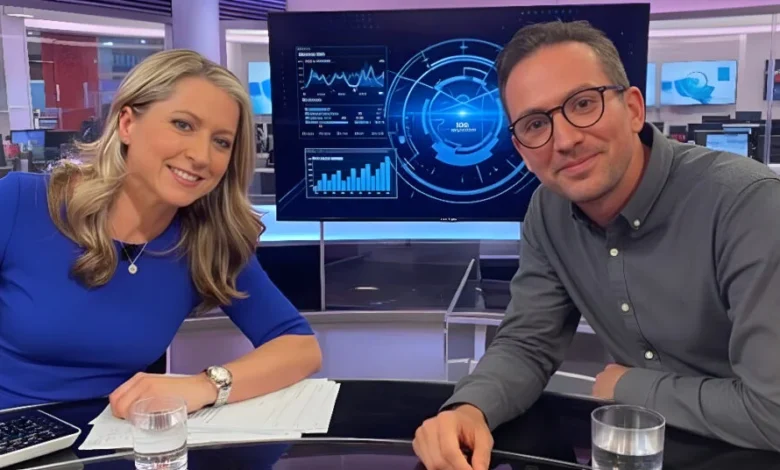
The world of international journalism often introduces audiences to reporters from diverse cultural and linguistic backgrounds. One such journalist who has gained global attention is Hugo Bachega, a respected BBC correspondent known for covering major global events. Alongside his professional reporting style, many viewers frequently notice and discuss one distinctive feature: his accent.
The hugo bachega accent has become a topic of curiosity among viewers who watch BBC news broadcasts. Because Hugo Bachega has worked across different countries and cultural environments, his speech reflects a unique blend of linguistic influences. This article explores his background, language influences, professional career, and why his accent stands out to many listeners.
By understanding his cultural roots and international experience, it becomes easier to appreciate how the hugo bachega accent developed and why it sounds different from typical British or American news reporters.
Who Is Hugo Bachega?
Early Life and Cultural Background
Hugo Bachega is a Brazilian journalist who has built an impressive career in international reporting. Born and raised in Brazil, he grew up speaking Portuguese as his native language. Brazil’s diverse linguistic environment shaped his early communication style and formed the foundation of his speech patterns.
During his formative years, Bachega developed a strong interest in media and journalism. Brazil has a vibrant news industry, and exposure to both local and international news sources likely influenced his career ambitions. His early environment also played a role in shaping the way he pronounces English later in life.
When individuals learn a second language after childhood, they often carry elements of their native pronunciation. This is a common linguistic phenomenon, and it explains why international journalists sometimes have distinctive accents when reporting in English.
For Bachega, his Brazilian heritage remains an important part of his identity. Even after years of working internationally, traces of Portuguese pronunciation can still be heard in his speech.
Education and Entry into Journalism
Hugo Bachega pursued studies related to communication and journalism before entering the professional media industry. Like many aspiring reporters, he started by working with local or regional media outlets, gradually gaining experience in reporting and storytelling.
His commitment to accurate reporting and his ability to communicate complex global issues helped him move into international journalism. Eventually, he joined major international news organizations and began working with the BBC.
Working in international newsrooms exposed him to colleagues from various countries, which further influenced his language usage. In global media environments, journalists often adopt neutral or internationally understandable English while still retaining traces of their original accents.
This combination of professional training and multicultural exposure contributed to what audiences today recognize as the hugo bachega accent.
Understanding Hugo Bachega’s Accent
Influence of Brazilian Portuguese
The most significant factor behind the hugo bachega accent is his native language, Brazilian Portuguese. Portuguese phonetics differ from English in several ways, particularly in vowel sounds, rhythm, and pronunciation patterns.
Brazilian Portuguese uses a melodic tone and specific vowel structures that can carry over when speakers use English. As a result, Portuguese speakers often pronounce certain English words with slightly different stress patterns.
For example, vowel sounds in Portuguese are generally clearer and more open than in English. When Portuguese speakers speak English, these vowel qualities can remain noticeable.
Another common influence involves consonant pronunciation. Certain English consonant combinations do not exist in Portuguese, so speakers sometimes adapt them using familiar sounds. These subtle variations contribute to the distinctive sound people recognize in the hugo bachega accent.
Exposure to International English
While his native language plays a large role, Hugo Bachega’s accent is also shaped by years of working in international journalism. Reporting for global audiences requires clear and widely understandable English.
Because of this, many journalists adopt what is sometimes called “international broadcast English.” This style avoids extremely strong regional accents and focuses on clarity and neutrality.
Bachega’s speech reflects this professional adaptation. His pronunciation is generally clear and consistent with international media standards, yet it still carries hints of his Brazilian background.
Exposure to British colleagues and BBC editorial standards may also influence his speech patterns. Over time, journalists often adjust their pronunciation slightly to match the style commonly heard in their workplace.
Accent Versus Fluency
It is important to distinguish between accent and language fluency. Having an accent simply means a person’s speech reflects their linguistic background. It does not indicate limited language ability.
Hugo Bachega is widely recognized for his articulate reporting and clear communication skills. His ability to explain complex geopolitical developments demonstrates strong fluency in English.
In fact, many viewers find his accent distinctive and memorable. Rather than being a limitation, it adds to his unique presence as an international journalist.
The hugo bachega accent serves as a reminder that global journalism is increasingly multicultural and multilingual.
Hugo Bachega’s Career with the BBC
Joining the BBC News Team
Hugo Bachega eventually joined the BBC, one of the world’s most respected news organizations. The BBC is known for maintaining high editorial standards and employing correspondents from around the world.
As a BBC journalist, Bachega has covered numerous international stories, including political developments, conflicts, and humanitarian crises. His reporting often places him in challenging environments where accurate and timely information is critical.
Working for the BBC requires journalists to communicate clearly with audiences from many countries. This professional environment further refined his speaking style and presentation skills.
Despite these adjustments, listeners can still identify the distinctive elements that make up the hugo bachega accent.
Reporting from Global Hotspots
Throughout his career, Bachega has reported from several regions experiencing major political or social developments. International correspondents must often travel frequently and adapt to new environments.
Covering global events requires not only strong journalistic skills but also cultural awareness and communication ability. Bachega’s multilingual background helps him navigate these international contexts effectively.
Journalists working in such roles often interact with sources who speak different languages. This constant exposure to global communication styles can subtly influence the way they speak English.
As a result, accents among international correspondents tend to reflect a mixture of linguistic influences.
Recognition Among Viewers
Many viewers who watch BBC coverage recognize Hugo Bachega not only for his reporting but also for his voice and delivery style. His calm tone and measured speech contribute to his credibility as a journalist.
Online discussions sometimes highlight the hugo bachega accent, with audiences curious about where it originates. These conversations often lead to greater awareness of his Brazilian background and international career.
In modern journalism, diversity of voices is increasingly valued. Bachega’s presence on global broadcasts reflects the international nature of contemporary news media.
Why People Notice Hugo Bachega’s Accent
The Global Audience of BBC News
BBC News is broadcast worldwide, reaching millions of viewers across different continents. Because of this global reach, audiences frequently hear journalists with a variety of accents.
When viewers notice an accent that differs from the typical British broadcast style, curiosity naturally arises. The hugo bachega accent stands out because it combines clear English pronunciation with subtle Portuguese influences.
Listeners who are used to traditional British or American accents may find his speech pattern distinctive.
However, this diversity also reflects the BBC’s commitment to representing international perspectives.
Linguistic Curiosity in Media
In the digital age, audiences often discuss media personalities online. Social media platforms, forums, and comment sections allow viewers to share observations about journalists, presenters, and reporters.
Accents are a common topic of discussion because they reveal cultural background and linguistic history. When people ask about the hugo bachega accent, they are often simply curious about his nationality and life experiences.
Such discussions highlight how language and identity are closely connected.
Representation in International Journalism
The growing presence of international journalists in global media reflects broader trends in the industry. News organizations increasingly recruit reporters from diverse regions to provide local expertise and cultural insight.
Hugo Bachega represents this modern approach to journalism. His career shows how reporters from different backgrounds contribute valuable perspectives to global news coverage.
His accent, therefore, is not just a linguistic trait—it symbolizes the multicultural nature of modern reporting.
Language Diversity in Global News Media
The Importance of International Voices
Global news coverage benefits greatly from journalists who come from different cultural and linguistic backgrounds. These reporters bring firsthand knowledge of regional issues and social dynamics.
Accents like the hugo bachega accent remind audiences that international journalism is not limited to one country or language tradition.
Instead, it reflects a collaborative effort involving reporters from around the world.
Breaking Traditional Broadcasting Norms
In the past, many broadcasters preferred presenters with standardized accents, particularly in English-language media. For example, British broadcasting once strongly favored Received Pronunciation.
However, modern audiences have become more comfortable with diverse voices. News organizations now prioritize accuracy, professionalism, and clarity over uniform speech patterns.
As a result, journalists like Hugo Bachega can maintain their natural accents while still communicating effectively with global audiences.
Audience Perception and Trust
Research in media studies suggests that authenticity often strengthens audience trust. Viewers appreciate reporters who sound natural rather than overly scripted.
Accents can make journalists more relatable and memorable. For many viewers, the hugo bachega accent simply reflects his personal history and professional journey.
Ultimately, the quality of reporting matters far more than the specific pronunciation style.
Conclusion
Hugo Bachega is a respected international journalist whose work with the BBC has brought him to the attention of audiences around the world. While his reporting skills and professionalism define his career, many viewers also notice his distinctive speech.
The hugo bachega accent is primarily shaped by his Brazilian heritage and native Portuguese language. Over time, his experience working in international newsrooms and reporting in English has refined his communication style while preserving elements of his original pronunciation.
Rather than being unusual, his accent reflects the increasingly global nature of modern journalism. Today’s news industry relies on reporters from diverse linguistic and cultural backgrounds who bring unique perspectives to international audiences.
Understanding the origins of his accent helps highlight the broader role that language diversity plays in global media.
Frequently Asked Questions (FAQs)
1. What is the origin of the Hugo Bachega accent?
The hugo bachega accent originates mainly from Brazilian Portuguese, his native language. His English pronunciation reflects influences from Portuguese while also adapting to international broadcast standards.
2. Is Hugo Bachega British?
No, Hugo Bachega is not British. He is originally from Brazil, although he works as a journalist for the BBC, a British broadcasting organization.
3. Why does Hugo Bachega speak English with a different accent?
Because Portuguese is his first language, his English pronunciation naturally includes elements of Brazilian speech patterns. This is common for multilingual professionals.
4. Does Hugo Bachega’s accent affect his reporting?
No, his accent does not affect the quality of his reporting. He communicates clearly and effectively, which is the most important factor in journalism.
5. Where has Hugo Bachega reported from?
Hugo Bachega has reported from several regions around the world, including areas experiencing political developments and conflicts, as part of his role with BBC News.
6. Do many BBC journalists have international accents?
Yes, the BBC employs journalists from many countries. This means viewers often hear a variety of accents reflecting the organization’s global workforce.
7. Why are viewers curious about the Hugo Bachega accent?
Many viewers notice his distinctive speech and wonder about his background. Curiosity about accents is common because they reveal cultural and linguistic heritage.