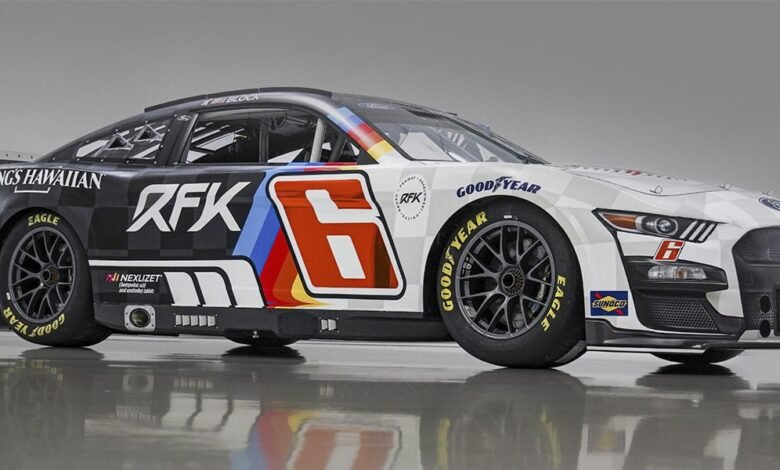
NASCAR has always been home to some of the most iconic racing teams in motorsports history. Among them, RFK Racing stands out as a team with a powerful legacy, remarkable achievements, and a renewed vision for the future. Over the years, the organization has played a vital role in shaping NASCAR competition and producing championship-winning performances.
Founded by a legendary driver and owner, the team quickly gained recognition for its strong technical expertise and competitive spirit. Through decades of innovation and determination, the organization built a reputation as one of the most respected teams in stock car racing.
Today, RFK Racing continues to compete at the highest level of NASCAR while embracing modern technology and fresh talent. The team’s commitment to excellence, strategic leadership, and dedication to performance have helped it maintain relevance in an ever-evolving motorsports landscape.
This article explores the history, milestones, leadership, and future prospects of the organization, offering a comprehensive look at why it remains a significant name in NASCAR.
The Origins and Formation of RFK Racing
The Vision Behind the Team’s Creation
The story of RFK Racing begins with NASCAR legend Mark Martin and team owner Jack Roush, whose partnership laid the foundation for what would eventually become one of the sport’s most successful teams. Jack Roush, an engineer and entrepreneur, had already established himself as a respected figure in automotive performance before entering NASCAR.
Roush founded the racing organization in the late 1980s with the goal of bringing advanced engineering and structured management to stock car racing. His background in automotive engineering allowed the team to approach competition with a strong focus on technology, precision, and data-driven strategies.
In the early years, the team quickly began making an impact in NASCAR’s top divisions. By combining experienced drivers with innovative engineering, the organization developed a competitive edge that helped it challenge some of the most established teams in the sport.
The early success of the organization helped solidify its reputation as a team capable of winning races and competing for championships. Over time, its commitment to excellence helped it grow into a powerhouse within NASCAR.
Growth and Success in NASCAR
Building a Championship-Winning Organization
As the team expanded in the 1990s and early 2000s, it became one of the most dominant forces in NASCAR. The organization fielded multiple cars and attracted some of the best drivers in the sport. This period marked the beginning of its golden era.
The team’s drivers regularly competed at the front of the field and secured numerous victories across different NASCAR series. Their strong performances in both the Cup Series and other divisions helped the organization establish itself as a consistent contender.
One of the keys to success during this era was the team’s commitment to research and development. Engineers worked tirelessly to refine car setups, improve aerodynamics, and enhance performance. These technical innovations played a major role in the team’s competitive advantage.
Throughout this time, RFK Racing became synonymous with professionalism, preparation, and determination. Its ability to combine driver talent with advanced engineering made it one of the most respected teams in the garage.
Legendary Drivers Who Represented the Team
Icons Who Helped Shape the Legacy
A racing team’s success often depends on the drivers behind the wheel, and this organization has been home to many legendary names. Over the years, several talented drivers have contributed to its impressive record.
Mark Martin is perhaps the most recognizable figure associated with the team. Known for his consistency and determination, Martin earned numerous victories and championship contending seasons while driving for the organization. His partnership with Jack Roush became one of the most successful driver-owner relationships in NASCAR history.
Other notable drivers also played crucial roles in the team’s success. Drivers such as Matt Kenseth, Greg Biffle, and Carl Edwards each contributed memorable victories and championship campaigns during their time with the team.
These drivers not only delivered impressive performances on the track but also helped build a loyal fan base. Their achievements strengthened the reputation of RFK Racing as a destination for top-tier racing talent.
Major Achievements and Milestones
Championships, Wins, and Records
Throughout its history, the organization has accumulated an impressive list of achievements that highlight its influence in NASCAR. The team has earned numerous race victories, championships, and historic milestones across multiple racing series.
One of the most notable accomplishments came when Matt Kenseth captured the NASCAR Cup Series championship in 2003. This victory marked a defining moment in the organization’s history and demonstrated its ability to compete at the highest level.
Beyond championships, the team has achieved hundreds of top-five and top-ten finishes. These consistent results demonstrate the depth of talent and engineering excellence within the organization.
RFK Racing has also played an important role in developing new drivers and advancing racing technology. Its commitment to innovation and performance continues to shape the competitive landscape of NASCAR.
Leadership and Ownership Evolution
The Role of Brad Keselowski in the Team’s Modern Era
A major turning point in the team’s recent history came with the arrival of NASCAR champion Brad Keselowski as a co-owner and driver. His involvement marked the beginning of a new chapter for the organization.
Keselowski brought fresh leadership, competitive experience, and a renewed focus on performance. His role extends beyond driving, as he contributes to strategic decisions and long-term planning for the team.
The transition also included a rebranding effort, which led to the current identity of RFK Racing. This change symbolized a new era while still honoring the legacy built by Jack Roush over decades.
Under this leadership structure, the organization aims to modernize operations, attract new talent, and return to championship contention.
The Team’s Technology and Engineering Approach
Innovation as a Competitive Advantage
Technology has always been a central part of the team’s philosophy. From its earliest days, the organization invested heavily in engineering expertise and research facilities to gain a competitive edge.
Advanced simulation tools, wind tunnel testing, and data analytics now play crucial roles in modern NASCAR competition. These technologies allow engineers to optimize vehicle performance before the cars even reach the racetrack.
The team’s engineering department works closely with drivers to refine setups and improve handling. This collaboration ensures that the cars remain competitive across different tracks and racing conditions.
By continuing to invest in innovation and technical development, RFK Racing aims to stay competitive in an increasingly sophisticated motorsports environment.
Challenges and Comeback Efforts
Navigating Difficult Years
Like many long-standing racing organizations, the team has faced periods of decline and rebuilding. Changes in NASCAR regulations, increased competition, and shifts in sponsorship have created challenges over the years.
During these difficult periods, the organization focused on restructuring its operations and investing in new talent. This strategy allowed the team to remain competitive even when results were not as strong as in previous decades.
The arrival of new leadership and strategic partnerships has played a key role in the team’s recent resurgence. With renewed energy and updated resources, the organization has begun rebuilding its competitive momentum.
These comeback efforts highlight the resilience and determination that have defined RFK Racing throughout its history.
The Future of RFK Racing in NASCAR
Goals, Talent Development, and Long-Term Vision
Looking ahead, the team has ambitious plans for the future. Leadership is focused on developing young drivers, strengthening technical capabilities, and returning to championship contention.
Driver development programs are expected to play a major role in the organization’s long-term strategy. By identifying and nurturing emerging talent, the team hopes to secure its place in NASCAR for years to come.
The continued growth of technology and data analytics will also influence the team’s future performance. As NASCAR evolves, teams that adapt quickly to new innovations are more likely to succeed.
With strong leadership, a respected legacy, and a commitment to improvement, RFK Racing remains well positioned to compete at the highest level of stock car racing.
Conclusion
RFK Racing represents a powerful combination of history, innovation, and competitive spirit within NASCAR. From its founding by Jack Roush to its modern era under the leadership of Brad Keselowski, the team has consistently played an important role in the sport’s evolution.
Over the decades, legendary drivers, engineering excellence, and strategic leadership have helped the organization achieve numerous victories and championships. These accomplishments have solidified its reputation as one of NASCAR’s most respected teams.
Although the organization has faced challenges, its ability to adapt and rebuild demonstrates the strength of its foundation. With new leadership and a focus on innovation, the team continues working toward future success.
As NASCAR moves into a new generation of competition, RFK Racing remains a team to watch—one that carries a proud legacy while striving to write the next chapter in its storied history.
FAQs
1. What does RFK Racing stand for?
RFK Racing stands for Roush Fenway Keselowski Racing. The name reflects the partnership between team founder Jack Roush, Fenway Sports Group, and NASCAR driver Brad Keselowski.
2. When was RFK Racing founded?
The organization was originally founded in 1988 by Jack Roush. Over time, it evolved through partnerships and rebranding to become the modern RFK Racing team.
3. Who owns RFK Racing today?
The team is currently co-owned by Jack Roush and Brad Keselowski, with Fenway Sports Group also playing a key role in the organization’s ownership structure.
4. Which drivers have raced for RFK Racing?
Several notable NASCAR drivers have raced for the team, including Mark Martin, Matt Kenseth, Greg Biffle, and Carl Edwards.
5. Has RFK Racing won a NASCAR Cup Series championship?
Yes, the team won the NASCAR Cup Series championship in 2003 with driver Matt Kenseth.
6. What makes RFK Racing unique in NASCAR?
The organization is known for its strong engineering focus, commitment to innovation, and long history of competitive success in NASCAR.
7. What are the future goals of RFK Racing?
The team aims to return to championship contention, develop new racing talent, and continue advancing its technology and performance in NASCAR competitions.